How SARMs Work
Unlike anabolic steroids that act like a hormonal “carpet bomb,” SARMs are designed to be tissue-selective . They specifically target androgen receptors in muscle and bone tissue, promoting protein synthesis and muscle repair without the same level of androgenic impact on other organs like the prostate or liver . This mechanism offers potential advantages for therapeutic use and performance enhancement .
Popular Compounds and Their Applications
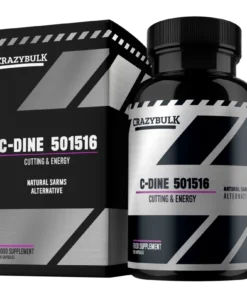
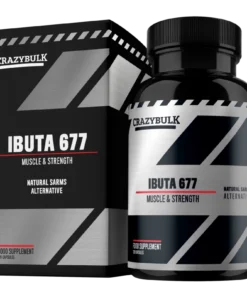
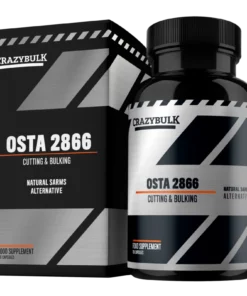
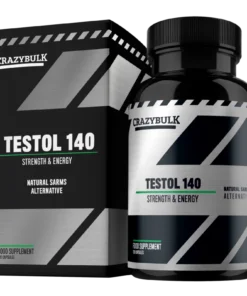
Research and user reports highlight several popular SARMs, each with unique profiles . Ostarine (MK-2866) is the most clinically characterized SARM, often used for muscle preservation and joint healing . Ligandrol (LGD-4033) is favored for bulking, known for significant lean mass increases . Testolone (RAD-140) is a potent compound used for strength and muscle growth, while Andarine (S-4) is frequently associated with cutting cycles . These compounds are often used in “stacks” to target specific goals like bulking or cutting .
Important Considerations and Safety Profile
It is critical to understand that SARMs are experimental drugs not approved for human consumption by any global health authority . While initial studies show therapeutic promise, comprehensive clinical data on long-term safety and efficacy is still lacking . Documented risks include significant testosterone suppression, liver damage, negative impacts on cholesterol levels, and potentially increased cancer risk .
Furthermore, the SARM market remains poorly regulated. A study by the U.S. Anti-Doping Agency (USADA) found that many products are mislabeled or contaminated, containing incorrect doses or unlisted substances . Therefore, careful consideration and a thorough understanding of these risks are essential.