
BLOG
Topical Steroids for Pityriasis Rosea
Aug
Topical Steroids for Pityriasis Rosea: A Complete Guide to Relief
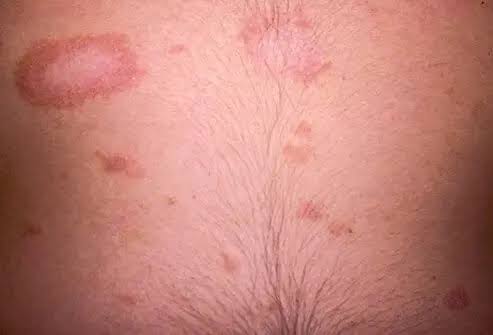
Pityriasis rosea (PR) often begins with a single, scaly patch—the “herald patch”—followed by a widespread rash that can be uncomfortable and alarming. This skin condition is common, affecting children, adolescents, and young adults, with a higher incidence in females . While the rash itself is usually benign and self-limiting, the significant itch (pruritus) that accompanies it in approximately 30-50% of cases can disrupt sleep and daily life . This article provides a clear, evidence-based guide on using topical steroids for pityriasis rosea, focusing on when and how they can provide relief.
Why Use Topical Steroids for Pityriasis Rosea?
Pityriasis rosea typically resolves on its own within 4 to 10 weeks without scarring . The primary goal of treatment, therefore, is not to “cure” the condition but to manage the bothersome symptoms, especially itching . This is where topical corticosteroids come in.
Topical steroids work by reducing inflammation in the skin, which can help calm the immune response that causes the rash and its associated itch. They are a cornerstone of symptomatic treatment, providing a direct and localized approach to soothe discomfort.
What the Science Says: Evidence for Topical Steroids
While topical steroids are widely recommended, it’s important to understand the evidence base. According to a comprehensive systematic review, there are no randomized controlled trials (RCTs) specifically studying the effectiveness of topical corticosteroids for pityriasis rosea . This lack of high-level evidence, however, does not mean they are ineffective.
Instead, their use is based on clinical experience and expert consensus for managing inflammatory skin conditions . The lack of RCTs highlights that PR is a self-limiting condition and treatments are primarily supportive. Other treatments, like oral corticosteroids (e.g., prednisone) or antivirals (e.g., acyclovir), have some evidence for reducing itch and rash more quickly but come with more significant potential side effects .
Guidelines for Choosing the Right Topical Steroid
When using topical steroids for pityriasis rosea, the guiding principle is to use the mildest effective strength for the shortest duration necessary to control symptoms. This approach helps minimize the risk of side effects like skin thinning (atrophy) or pigmentary changes . Your healthcare provider will choose the potency based on the severity of your itching .
Here is a general guide based on clinical recommendations :
- Mild Potency (Over-the-Counter):
- Moderate Potency (Prescription):
- Potent/Super-Potent Potency (Prescription – Use with Caution):
- Clobetasol: This is a super-high potency steroid. While effective, it carries a higher risk of side effects, including suppression of the body’s natural stress hormone (HPA axis), and treatment is generally not recommended for more than two consecutive weeks or on large areas of the body . It should only be used under close medical supervision for particularly stubborn or severe cases.
- Difluprednate: An older study indicated that 0.05% difluprednate ointment showed superior efficacy compared to betamethasone valerate, but this is not a standard first-line treatment today .
How to Use Topical Steroids Safely and Effectively
For pityriasis rosea, topical steroids are generally applied once or twice daily to the itchy areas . Here are key safety considerations:
- Apply Thinly: A thin layer is all that is needed. Using more does not improve results but increases the risk of side effects.
- Use on the Body: Topical steroids are generally safe for use on the trunk and limbs.
- Avoid the Face and Groin: Unless specifically directed by a doctor, avoid using topical steroids—especially potent ones—on the face, groin, or armpits. These areas are more sensitive and prone to side effects like skin thinning and rosacea-like rashes .
- Limit Duration: For mild to moderate PR, a course of up to 4 weeks is often recommended . If no improvement is seen within 2 weeks, you should consult your doctor again .
- Watch for Side Effects: Long-term or improper use can lead to skin atrophy (thinning), stretch marks (striae), and pigmentary changes, which can be more prominent in people with darker skin .
Combining Topical Steroids with Other Therapies
Topical steroids are often most effective when used as part of a broader symptom management strategy, especially for the itch .
- Emollients: Regularly applying a good moisturizer can soothe dry, scaling skin and reduce itching. Using an emollient 15-30 minutes before the steroid can be beneficial .
- Oral Antihistamines: For moderate to severe itching, especially if it’s affecting your sleep, your doctor might recommend an oral antihistamine. A sedating antihistamine can be particularly helpful at night .
- Other Topical Options: Calamine lotion is a safe, over-the-counter option that can help soothe mild itching and discomfort .
The Bottom Line on Topical Steroids for Pityriasis Rosea
The key takeaway is that topical corticosteroids are a valuable tool for managing the symptoms of pityriasis rosea, but they do not cure the underlying rash. Their primary role is to provide relief from itching. While robust clinical trial evidence is limited, their effectiveness is supported by decades of clinical practice and expert guidelines .
Always start with the mildest option, such as over-the-counter hydrocortisone, and consult a healthcare professional if your symptoms are severe, not improving, or if you need a stronger prescription. By using topical steroids wisely and in combination with supportive skin care, you can navigate the discomfort of pityriasis rosea and allow the condition to resolve on its own schedule.
